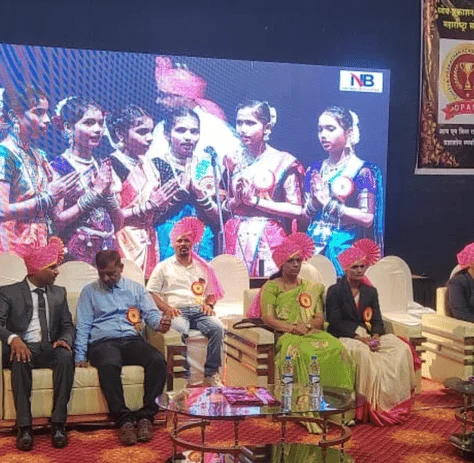
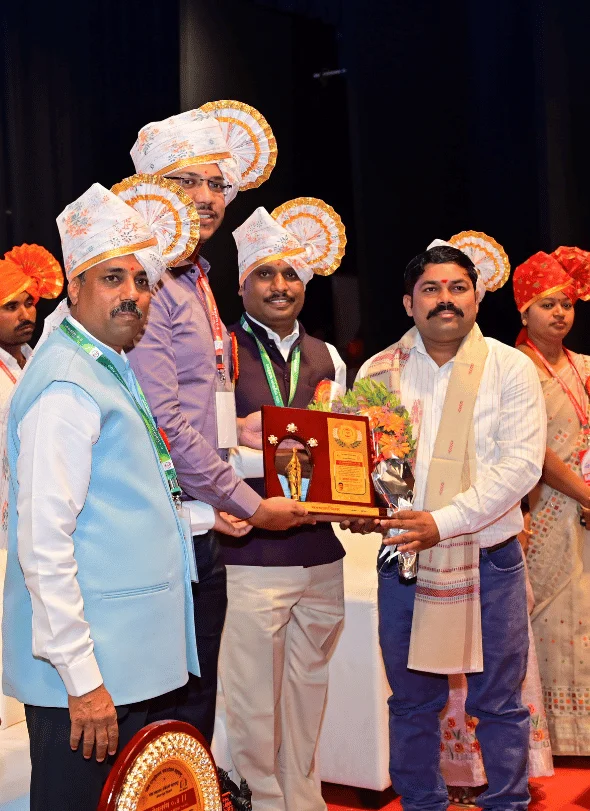
Corporate support can help strengthen educational initiatives for children and young people facing limited access to learning resources, guidance, and wider opportunities. Participation may support educational materials, school engagement, awareness activities, mentoring, practical learning, and career direction. These efforts can help learners remain connected with education and recognise the possibilities available beyond their immediate circumstances. When educational support includes families, educators, volunteers, and institutions, children receive a stronger environment in which to learn. Every thoughtful investment in education can help knowledge become a dependable foundation for independence.
Rural families may delay seeking health guidance because of distance, financial pressure, limited awareness, or uncertainty about available options. CSR participation can support health camps, basic screenings, preventive awareness, hygiene education, nutrition guidance, and community health interaction. Such initiatives help people understand everyday health concerns and recognise when professional attention may be required. Clear information can encourage safer household choices and reduce avoidable delays. Corporate involvement can help health knowledge reach children, women, elderly people, and families with dignity and clarity.
Women often carry significant family and community responsibilities while receiving limited access to learning, skills, financial awareness, and livelihood opportunities. Corporate partnerships can support skill development, confidence building, awareness, practical exposure, and pathways towards greater independence. Every initiative should respect individual circumstances and create room for women to participate with confidence. When a woman gains knowledge and practical ability, its value can influence household decisions, children’s education, and family wellbeing. Supporting women creates progress that reaches far beyond one participant.
The process begins with a conversation about your organisation’s CSR interests, preferred areas of work, available resources, geographic considerations, and expected level of involvement. This helps identify whether current community needs align with your objectives. Clear discussion at this stage prevents uncertainty later. Both organisations can also examine practical requirements and possible limitations. A partnership begins well when expectations are understood honestly.
Community needs must be understood through interaction, available information, and local participation. This helps distinguish urgent priorities from assumptions and ensures that proposed activities remain relevant. Families, schools, institutions, volunteers, and community representatives may provide valuable insight according to the initiative. The assessment can guide scope, beneficiary groups, resources, and implementation requirements. Grounded planning respects both corporate intent and lived realities.
Once alignment is established, the proposed initiative can be developed with defined objectives, activities, responsibilities, timelines, budget considerations, and review requirements. Each organisation should understand its role before work begins. A clear framework supports better coordination and responsible resource use. It also establishes how progress will be observed and communicated. Final implementation will proceed according to mutually agreed terms and applicable requirements.
Consectetur adipiscing elit integer nunc viverra laoreet est the is porta pretium metus aliquam eget porta nunc viverra.